

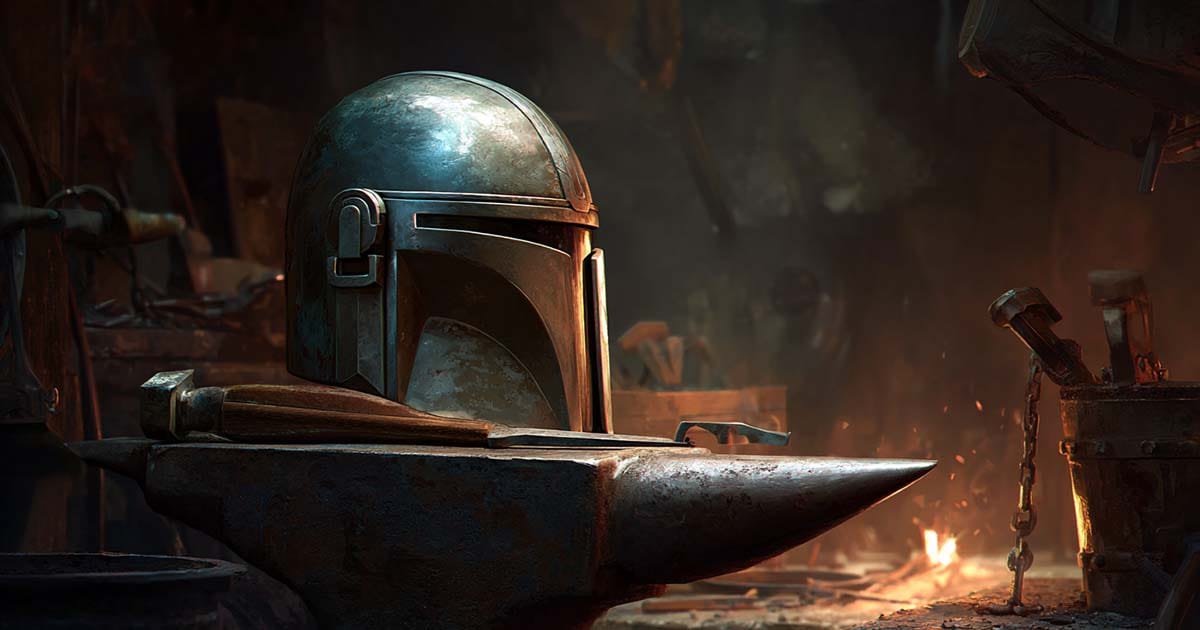
Uncover why Mandalorians maintain their armor sacred, how beskar and creed form their id, and why this historic warrior custom stays one of the crucial highly effective symbols in “Star Wars.”
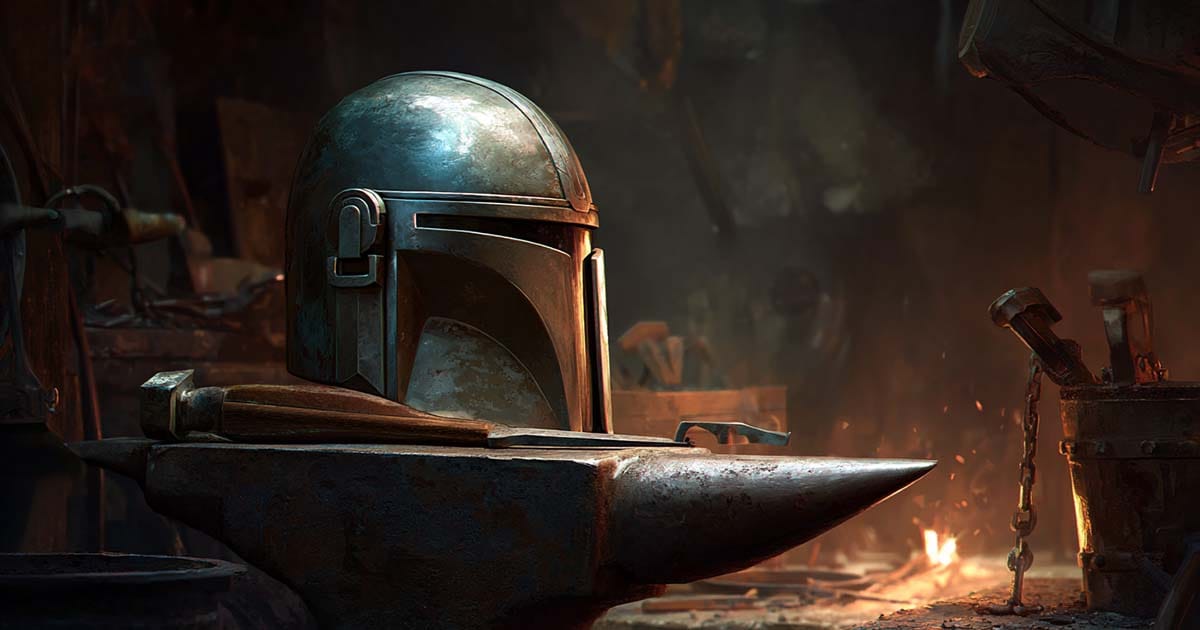
Among the many warrior cultures in science fiction, few have earned the identical respect because the Mandalorians from “Star Wars.” Their armor defines them. It isn’t a dressing up or easy software of conflict. It’s the basis of their id and the seen signal of who they’re.
Iron Pores and skin and Household Legacy
In Mandalorian life, armor is known as beskar’gam. The phrase means “iron pores and skin,” and it represents each physique and soul. Every plate is solid, worn, repaired, and handed down via generations. It carries reminiscence. To lose it’s to lose one’s title and place among the many clans. The armor binds the dwelling to their ancestors.
Armor isn’t uniform. Each go well with is exclusive, reflecting the historical past of the warrior who wears it. A dent in a helmet marks a duel survived. A scar throughout the chest plate information the warmth of battle. Some helmets bear symbols of clan or creed, whereas others stay plain, honoring simplicity and performance. Every go well with is each weapon and storybook, preserving the historical past of a individuals who refuse to neglect.
The Sacred Steel
The metallic itself deepens the reverence. Beskar is the sacred coronary heart of Mandalorian craftsmanship. It will possibly face up to blaster fireplace and resist a Jedi’s lightsaber.
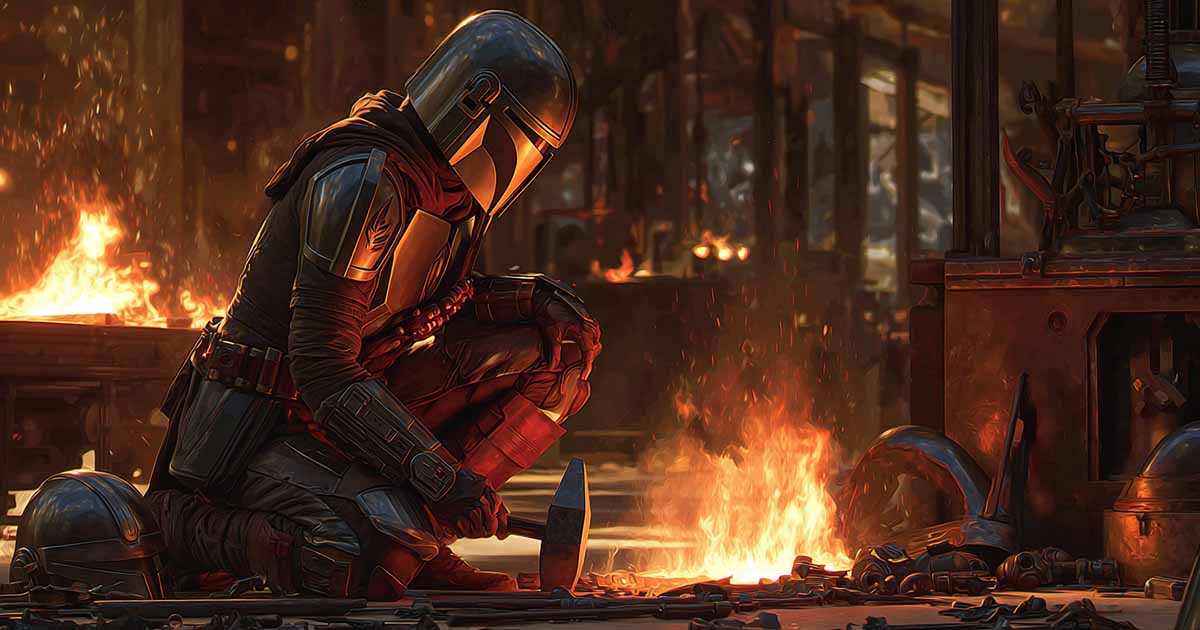
To the Mandalorians, this energy shouldn’t be solely bodily however ethical. It mirrors their perception {that a} man should stand agency within the face of better powers. The forge is their temple, and every hammer strike is a prayer of endurance.
In “The Mandalorian,” Din Djarin’s new armor made from pure beskar marks a turning level in his life. When the Armorer forges it, the scene carries a way of rebirth. Every plate displays not self-importance however redemption.
Via the hearth and the anvil, Din Djarin turns into greater than a bounty hunter. He turns into a person of creed, restored by the identical custom that raised his folks from smash.

The Creed and the Masks
The creed itself binds armor to id. “That is the Means” serves as a vow of obedience, loyalty, and restraint. For some, the helmet must not ever be eliminated within the presence of others. To interrupt that rule is to shatter belief with each clan and self. The masks hides the face however reveals the soul, a relentless reminder that obligation is bigger than consolation.
Not all Mandalorians maintain to that strict path. Bo-Katan Kryze and her followers consider that the creed ought to bend with circumstance. They take away their helmets with out disgrace, trusting that honor lives in motion relatively than ritual. Their disagreement with traditionalists displays an historic wrestle inside Mandalorian historical past—the battle between perception and survival.
A House Worn on the Again
The obsession with armor shouldn’t be rooted in satisfaction alone. It’s born from hardship. Mandalore itself was damaged by infinite conflict and imperial devastation. Its folks have been scattered throughout the galaxy.
In exile, the armor grew to become their homeland. Wherever a Mandalorian stood, his armor carried the reminiscence of Mandalore. To put on it was to belong, even when the planet was misplaced.

Religion Cast in Hearth
That’s the reason the picture of a Mandalorian stays so highly effective. The armor shouldn’t be an emblem of domination however of endurance. It stands for braveness in a faithless galaxy and for loyalty when others falter.
Energy, for a Mandalorian, shouldn’t be present in a weapon or machine however within the self-discipline that retains him true. His armor is his vow, his heritage, and his hope.
The Mandalorians remind us that id have to be constructed, examined, and reforged. Their armor is proof that custom can survive the hearth of change. It’s religion made metallic, carried proudly throughout a galaxy that always forgets what honor means.

