


A take a look at how “Blade Runner” presents replicants as organic creations reasonably than robots, making a richer story about id, mortality, and the uneasy house between human life and engineered life.
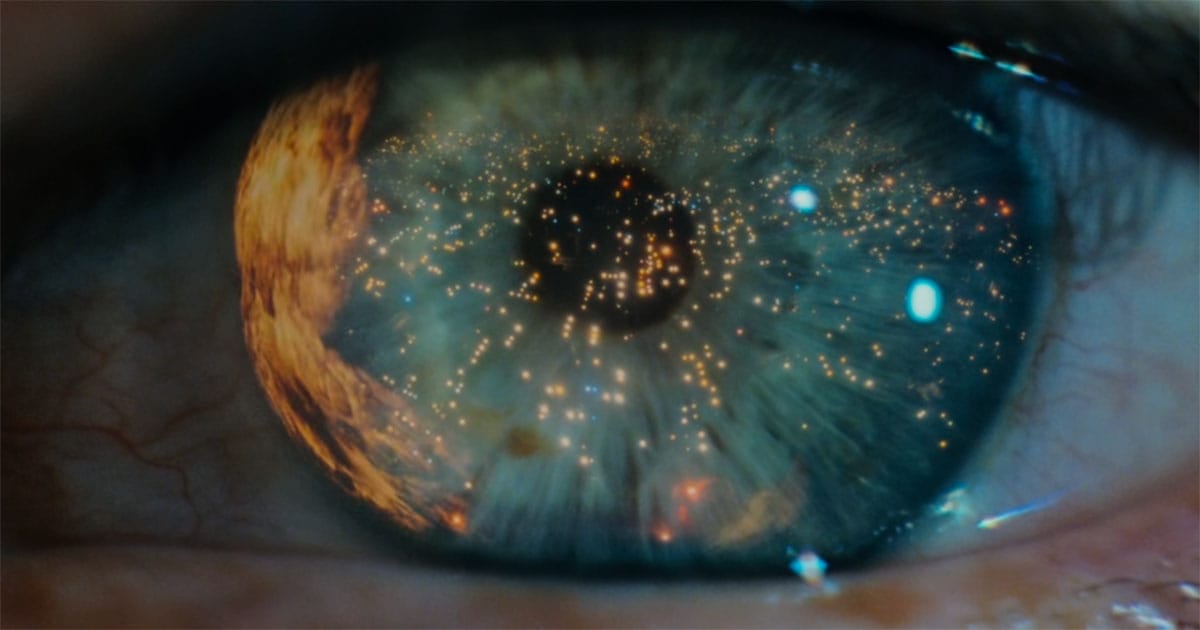
A Human Face on Engineering
The concept that the replicants in “Blade Runner” are robots has persevered for years, but the movie presents one thing much more unsettling. Ridley Scott selected to fill his future Los Angeles with beings who feel and appear human in each measurable means. This alternative provides the story a quieter rigidity. The hazard comes from the likelihood that humanity might be copied with out the chilly equipment most viewers anticipate.
The movie exhibits replicants as organic creations with muscle, bone, and reminiscence implants. They aren’t metallic figures clanking via darkish alleys. They breathe and bleed. Their bodily presence suits the noir ambiance of the film in a means that mechanical designs by no means might.

As a result of replicants are woven from the identical organic material as people, their superiority raises questions that linger lengthy after the credit. The Nexus fashions carry power and intelligence that outpace their makers. This imbalance provides the story the texture of an previous cautionary story. A creation constructed to work turns into a creation that wonders about its personal place on the planet.
The Ethical Fog of Future Los Angeles
The distinction between mechanical robots and organic replicants additionally adjustments how the viewers views the ethical panorama. A robotic often follows its circuits with predictable loyalty. A replicant follows the starvation for all times. That starvation provides the movie its emotional engine and strikes it away from easy good and evil.
Deckard’s pursuit of the escaped replicants feels much less like a detective chasing machines and extra like a person confronting echoes of himself. His world is formed by fog, rain, and the sense that progress has outpaced knowledge. Each encounter with a replicant forces him to face an uncomfortable mirror. The noir tone deepens as a result of the road between hunter and hunted turns into skinny.
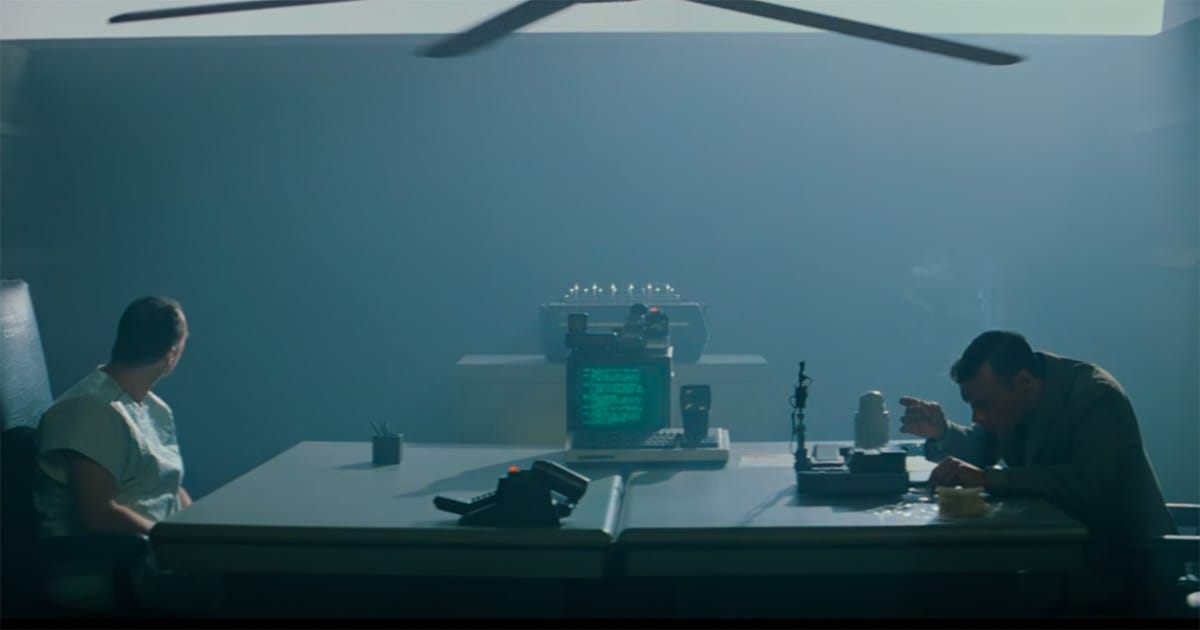
Even the well-known Voight-Kampff take a look at reveals how intently the 2 species are associated. A machine would by no means want such scrutiny. A replicant wants it as a result of he can cover in plain sight. The take a look at measures empathy and response reasonably than steel and wires. This element provides the movie its philosophical chunk.
Life Measured in Heartbeats
The replicants themselves give the story its strongest moments. Their restricted lifespans flip each gesture right into a wrestle in opposition to time.

Their closing scenes reveal a need for that means that feels acquainted to anybody who has wrestled with their very own mortality. The result’s a story that blends noir temper with the timeless query of what it means to be alive.
The genius of “Blade Runner” lies on this organic twist. Replicants usually are not machines constructed by chilly logic. They’re reflections formed by human arms but pushed by their very own wills. That distinction raises the movie above typical futuristic thrillers and locations it within the canon of tales that study the human coronary heart via unfamiliar eyes.

