

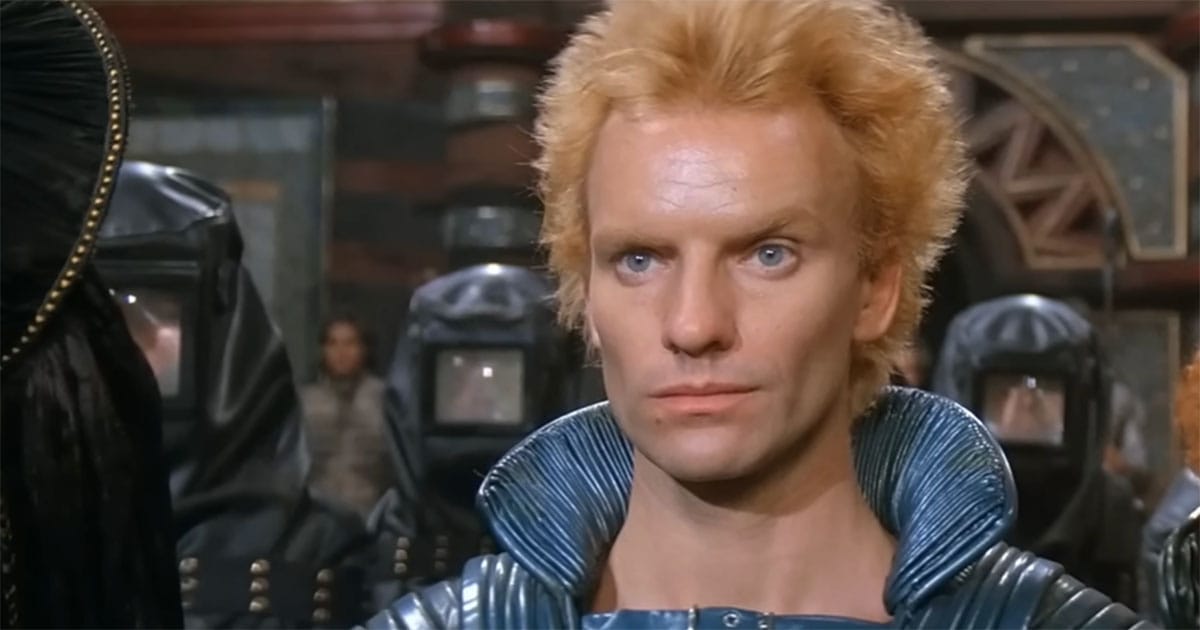
Feyd-Rautha Harkonnen, the Baron’s inheritor in “Dune,” rivals Paul Atreides as Frank Herbert’s image of allure, cruelty, and ambition—a portrait of brilliance corrupted by the pursuit of energy.
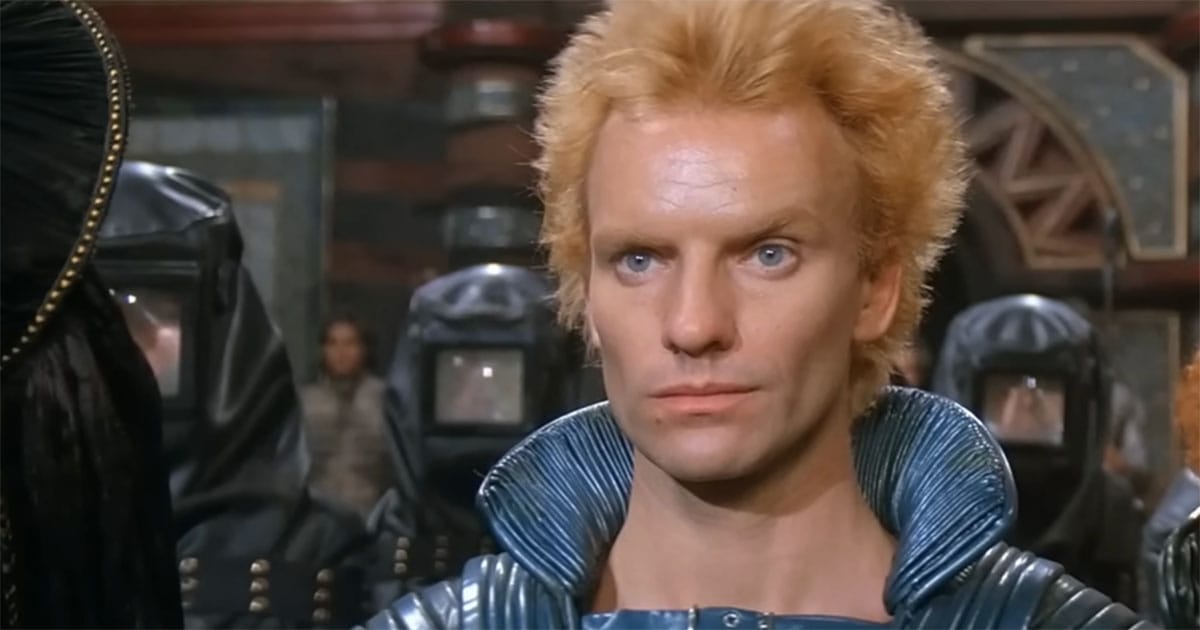
Feyd-Rautha Harkonnen, youthful nephew and inheritor to Baron Vladimir Harkonnen, stands among the many most compelling figures in “Dune.” Born to Abulurd Rabban, he’s most popular over his older brother Glossu for his wit, self-discipline, and public allure.
In Frank Herbert’s 1965 novel, Feyd represents each the perfection and corruption of aristocratic ambition. He’s the product of the Bene Gesserit breeding plan and the Baron’s perception that intelligence, showmanship, and cruelty can maintain energy.
Herbert designed him as Paul Atreides‘ darkish twin — equally gifted, but morally inverted.
Origins and Context
Feyd-Rautha seems in “Dune” (1965) because the Baron’s chosen inheritor to Home Harkonnen. The Baron raises him on Giedi Prime, a planet of air pollution and surveillance, the place concern is a political software.
His father, Abulurd Rabban, renounced the Baron’s brutality and was forged apart. The Baron turned his hopes to Feyd, who mixed ambition with restraint. To the Baron, he was the perfect ruler — intelligent sufficient to allure the folks and ruthless sufficient to manage them.
The Baron’s plan for Arrakis was cruelly easy. Glossu Rabban, referred to as “the Beast,” would rule via terror. Feyd would later arrive as a savior, profitable loyalty by comparability. The scheme mirrored Harkonnen cynicism and Herbert’s recurring theme of management via phantasm.
Herbert wrote Feyd as a mirrored image of mid-century anxieties about management. Intelligence and look substitute religion and ethical order. Feyd personifies brilliance minimize off from conscience.
| Identify | Feyd-Rautha Harkonnen |
|---|---|
| Affiliation | Home Harkonnen |
| First Look | “Dune” (1965) by Frank Herbert |
| Position | Inheritor to Baron Harkonnen, na-Baron of Giedi Prime |
| Description | Clever, athletic, and ruthless; the Baron’s most popular successor |
| Portrayed by | Sting (1984), Matt Keeslar (2000), Austin Butler (2024) |
Bodily Description and Traits
Herbert describes Feyd as lean and dark-haired, with the “full and pouting lips” of his household. His athletic body and composure cover the identical starvation for management that defines the Baron.
He’s sleek the place others are grotesque, and he makes use of magnificence as a weapon. His allure and mind disguise an intuition for cruelty. Readers see in him the perfection of the Harkonnen excellent — seductive, clever, and morally hole.
Feyd’s public picture reveals how energy can cover its corruption behind self-discipline and kind.
Position within the Story
Feyd first seems on Giedi Prime throughout a gladiatorial ceremony. Earlier than a roaring crowd, he pretends mercy to a drugged opponent, solely to kill him in chilly calculation. The act wins the Baron’s approval and divulges how the Harkonnens flip spectacle into management.

Later, Feyd plots to assassinate the Baron utilizing a poisoned blade. His failure exposes each his ambition and the bounds of his crafty. The punishment he receives reinforces loyalty via concern and humiliation.
Throughout the novel, Feyd grows as Paul’s ethical counterweight. Each are merchandise of the identical breeding design. Each are educated in fight and technique. But one learns humility, and the opposite worships ambition.
Spoiler Warning
Within the novel’s ultimate act, Feyd faces Paul in ritual fight. The duel ends the Harkonnen dream of energy and completes the Bene Gesserit circle. Paul’s victory symbolizes management born from religion, not design. Feyd’s demise marks the failure of brilliance with out advantage.
Themes and Symbolism
- Energy and corruption – The Harkonnen perception in management destroys itself.
- Look and reality – Feyd’s allure hides his cruelty.
- Design and future – The Bene Gesserit plan collapses via pleasure.
- Spectacle and manipulation – His area combat mirrors propaganda.
- Religion and management – Paul finds imaginative and prescient the place Feyd finds ego.
By Feyd, Herbert warns that greatness with out morality results in decay.

Variations and Portrayals
Feyd’s picture modifications with every adaptation of “Dune.”
David Lynch’s 1984 movie, that includes Sting, emphasizes decadence and spectacle. The winged-metal costume and theatrical gestures match the surplus of the last decade.
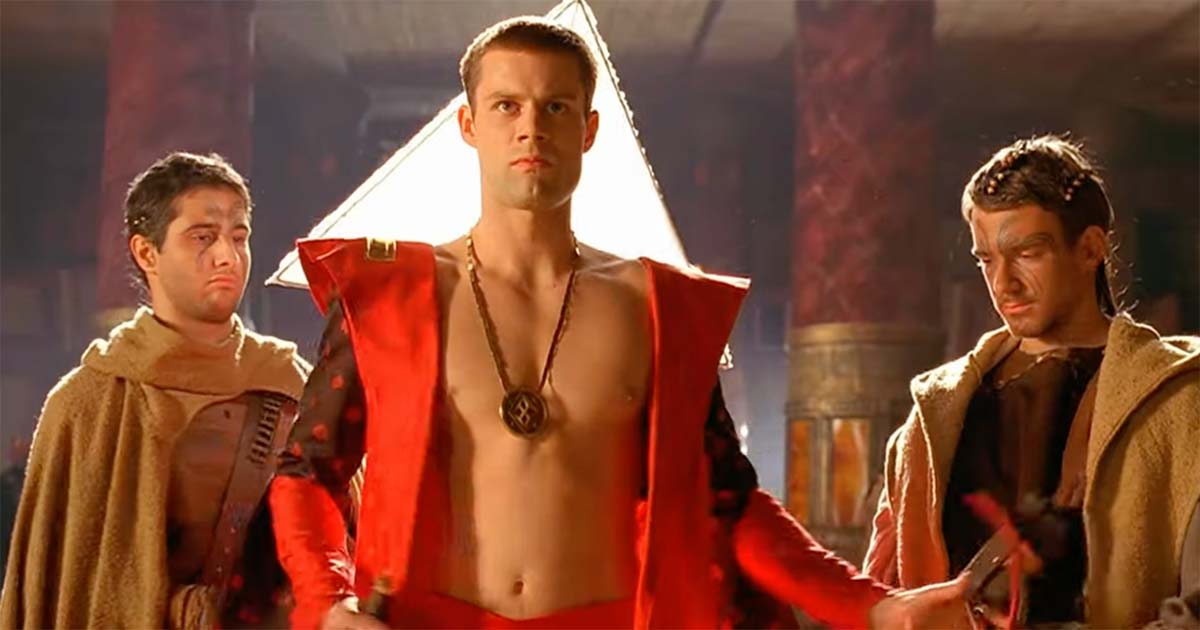
The Sci-Fi Channel’s 2000 miniseries presents a colder model. Matt Keeslar’s Feyd is exact and political, much less flamboyant and extra calculating.
Denis Villeneuve’s 2024 movie presents a brand new interpretation. Austin Butler’s Feyd is pale, ritualistic, and unnerving—his cruelty expressed via self-discipline moderately than vanity. This portrayal captures Herbert’s sense of order corrupted by function.
Fan Questions Answered
- Who was Feyd-Rautha Harkonnen? – The nephew and inheritor of Baron Vladimir Harkonnen, raised to rule Giedi Prime and later Arrakis.
- Was Feyd a part of the Bene Gesserit plan? – Sure. He was bred to unite Harkonnen and Atreides bloodlines, although Paul fulfilled that future.
- Why does the Baron favor Feyd over Rabban? – The Baron prefers Feyd’s intelligence and allure, whereas Rabban guidelines solely via concern.
- How does Feyd die? – He dies in ritual fight with Paul Atreides close to the top of “Dune.”
- What does his demise imply? – It ends the Harkonnen plan for management and exhibits that ambition with out religion results in destroy.
- Why do movies change his character? – Every period redefines energy and corruption, shaping Feyd to replicate its personal fears and values.

