

This Week in Traditional Science Fiction
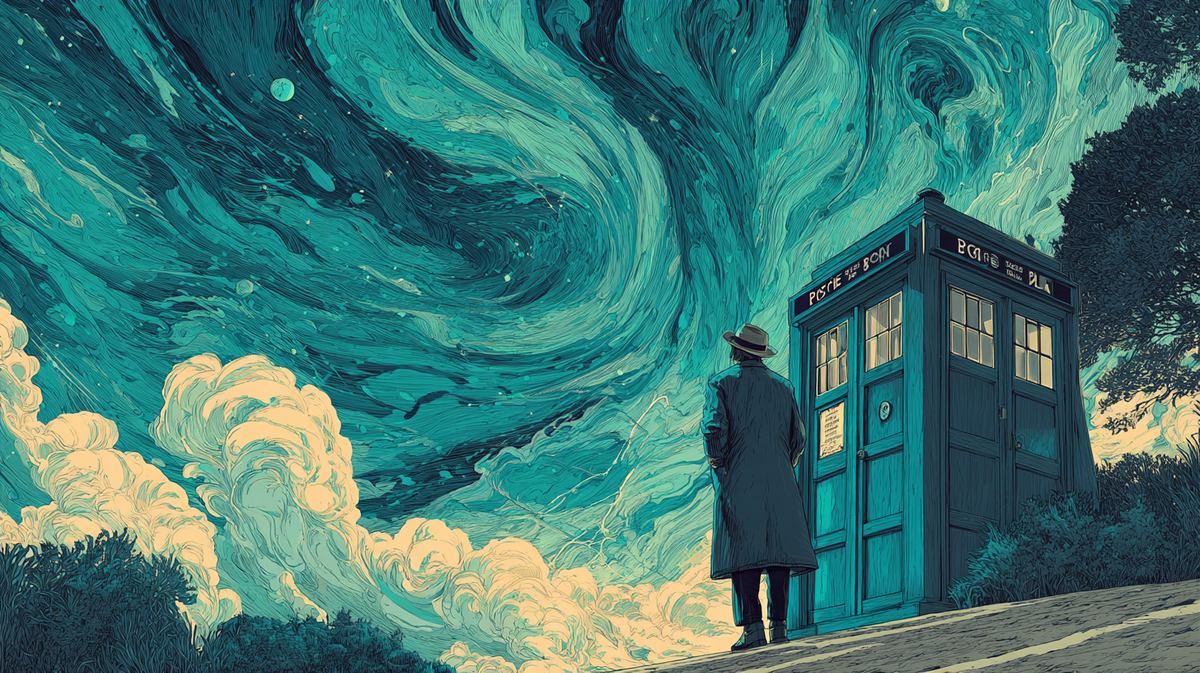
On November 23, 1963, British viewers met a wierd traveler in a blue police field. This system was “Physician Who,” and the primary story was “An Unearthly Baby.”
Nobody knew this quiet Saturday broadcast would mark the start of considered one of tv’s longest journeys. The present was meant to show historical past and science by way of journey, but it rapidly turned one thing larger.
Its debut got here the day after the assassination of President Kennedy. Many households in Britain had been gathered round their televisions that weekend, searching for normalcy.
Even beneath that shadow, the brand new program caught consideration. The eerie theme music and swirling opening photos felt not like anything on the air. The BBC repeated the episode every week later, permitting extra viewers to find it.
The primary story launched the Physician, his granddaughter Susan, and two curious schoolteachers. Their travels started in a junkyard, not a shining laboratory.
The tone was mysterious, considerate, and a bit of unsettling. This starting confirmed that science fiction may discover concepts and feelings, not simply expertise. The Physician used cause reasonably than weapons and surprise reasonably than worry. That spirit of exploration nonetheless defines the perfect moments in basic science fiction.
Sponsored by: The Boss Alien Head | باس ایلین ہیڈ T-shirt
Each science fiction fan wants a uniform. “The Boss Alien Head” T-shirt brings a contact of cosmic humor to your closet. It’s smooth, sturdy, and funky sufficient for an evening at Mos Eisley or your native diner.
The Beginning of the Time Traveler: How Physician Who Modified Science Fiction Tv
When “Physician Who” first appeared in 1963, tv science fiction was nonetheless studying methods to communicate to a broad viewers. Most applications borrowed from pulp magazines or copied the fashion of early film serials. Rockets, monsters, and flashing lights crammed the screens, however few reveals trusted viewers to assume deeply.
The BBC had modest expectations for its new Saturday program. A small crew constructed the present on a restricted finances with cameras that usually overheated and units that shook when actors moved too rapidly. Despite the bounds, they created a world that invited the viewer to think about reasonably than to flee. That spirit gave the present its energy.

A Hero Who Solved Issues with His Thoughts
The Physician was not like some other hero on tv. He was not a soldier or a spy, and he carried no gun. His power got here from mind and curiosity. The early episodes portrayed him as cussed and mysterious, but at all times pushed to grasp.
When others panicked, he reasoned by way of the issue. That instance stood out in a decade full of reveals about warriors and secret brokers. The Physician was a champion of thought in an age of power. He received with logic and compassion, and that made him timeless.
Within the tales of the early years, he was typically joined by unusual individuals who discovered braveness by way of discovery. Lecturers Ian Chesterton and Barbara Wright represented the viewers. They requested questions, made errors, and discovered from the Physician’s instance.
The distinction between their worry and his calm cause gave every story ethical weight. Youngsters watching on Saturday evenings discovered that the correct reply got here from persistence, not energy.
Tv Science Fiction Finds Its Voice
“Physician Who” additionally modified how science fiction might be instructed on tv. As a substitute of remaining in a single place, the TARDIS allowed tales to maneuver freely by way of time and area.
The format was endlessly versatile. The crew may discover historical historical past one week and go to a distant planet the subsequent. For a studio with few sources, this was a present. A intelligent author and a artistic designer may construct a whole new world from a handful of props and lighting tips.
The BBC Radiophonic Workshop gave this system its distinctive sound. They used tape loops, tone turbines, and on a regular basis noises to create the hum of alien machines and the throb of the TARDIS engines.
The theme music by Ron Grainer and Delia Derbyshire was one of many first items of digital music used on nationwide tv. Its echoing rhythm gave the present an id that no orchestra may match. Viewers didn’t simply see science fiction. They heard it.
A New Type of Storytelling
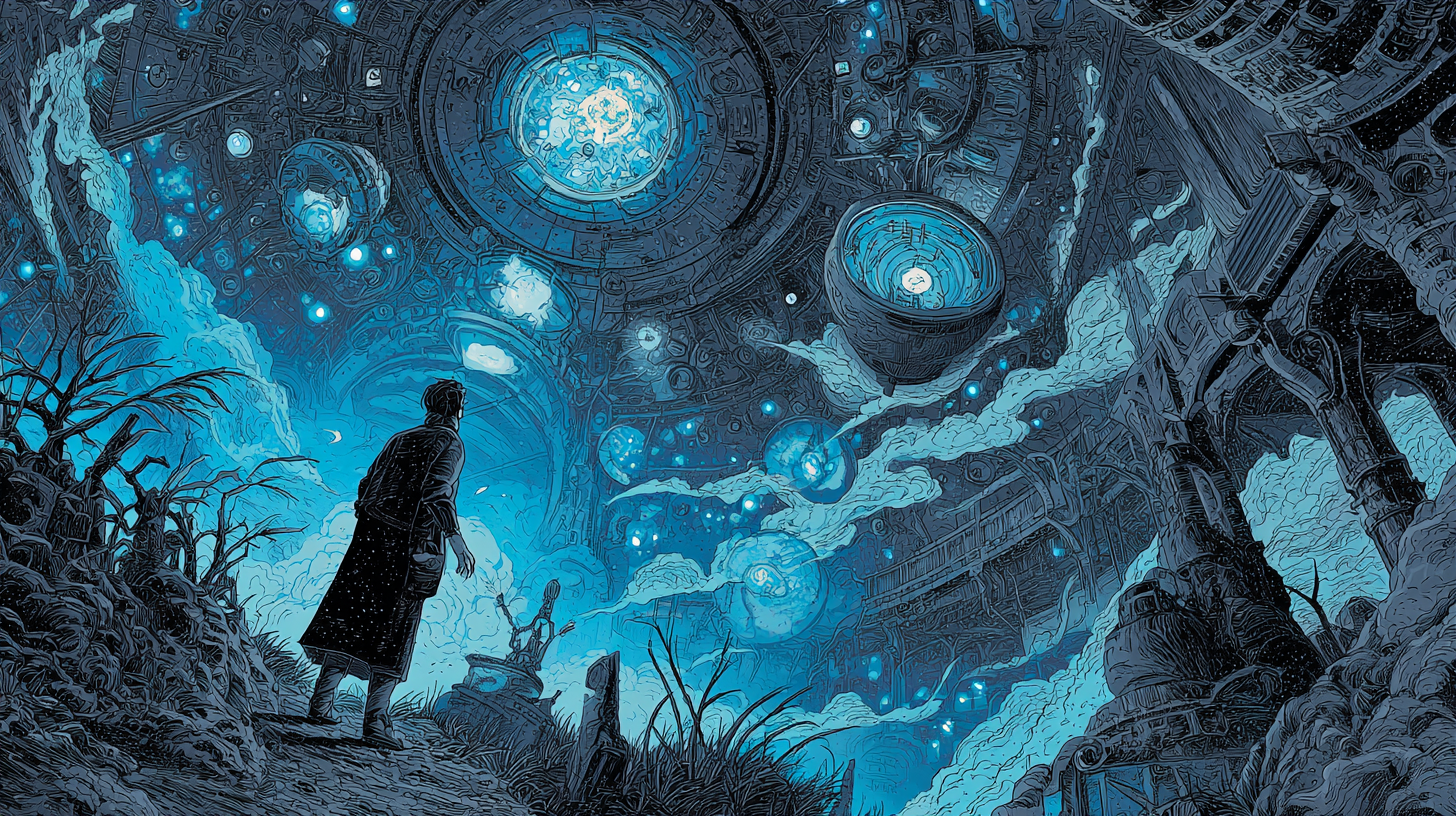
Every episode combined surprise with warning. The present’s writers handled the longer term not as a spot of limitless triumph however as a take a look at of human nature. The Physician’s journeys typically revealed the hazard of pleasure and the price of ignorance.
One story would possibly warn concerning the risks of blind religion in expertise. One other would possibly remind viewers that mercy is stronger than revenge. The teachings had been mild however clear. This system trusted the viewers to grasp concepts by way of story reasonably than lecture.
This methodology of storytelling set a sample for later applications. “Star Trek” would quickly echo its ethical tone, utilizing voyages among the many stars to discover human questions.
“Quantum Leap” and “Sliders” would use time journey as a approach to study conscience. The affect of “Physician Who” stretched far past Britain. It confirmed that science fiction on tv may discover the soul in addition to the celebs.
An Enduring Sample for Creativeness
The survival of “Physician Who” by way of generations of actors and viewers proved that good concepts by no means age. When one Physician become one other, the viewers accepted it as a result of the core concept remained sound.
The face may change, however the coronary heart didn’t. The present turned a dwelling anthology constructed on a single guiding concept that curiosity is probably the most unbelievable journey.
Even after a long time of fixing tastes, this system’s early type nonetheless feels contemporary. The low-budget units, the earnest performances, and the quiet morality give it a heat that fashionable results can’t substitute.
It displays a time when creativity mattered greater than spectacle. That’s the reason the primary episode stays a touchstone for followers of basic science fiction.
“Physician Who” started as a easy instructional experiment and have become an enduring image of creativeness. It inspired generations to look past worry and to hunt understanding in each unknown place.
In doing so, it helped tv science fiction develop from pulp leisure right into a medium of concepts. The heartbeat of the TARDIS is greater than a sound impact. It’s a reminder that surprise and knowledge can journey collectively, one story at a time.
“Physician Who” Trivia
- The theme for “Physician Who” was among the many first digital scores on tv. Delia Derbyshire constructed it from tape loops and pure tones, giving the collection a sound that felt really alien in 1963.
- The debut episode, “An Unearthly Baby,” was rebroadcast every week later after image and sound faults spoiled the primary airing. The repeat helped the present discover its early viewers.
- The TARDIS turned a blue police field by cautious alternative, not by chance. It was sensible for the finances and immediately acquainted to British viewers, making the unusual time machine appear actual.

